
Why kids refuse to go to school, and how to help them feel ready to return
Understood reports that up to 28% of kids experience school refusal due to anxiety, social challenges, or personal
Press Release Disclaimer: This is a press release distributed through the XPR Media network. It has not been independently verified by our newsroom.

AYO Production // Shutterstock
Why kids refuse to go to school, and how to help them feel ready to return
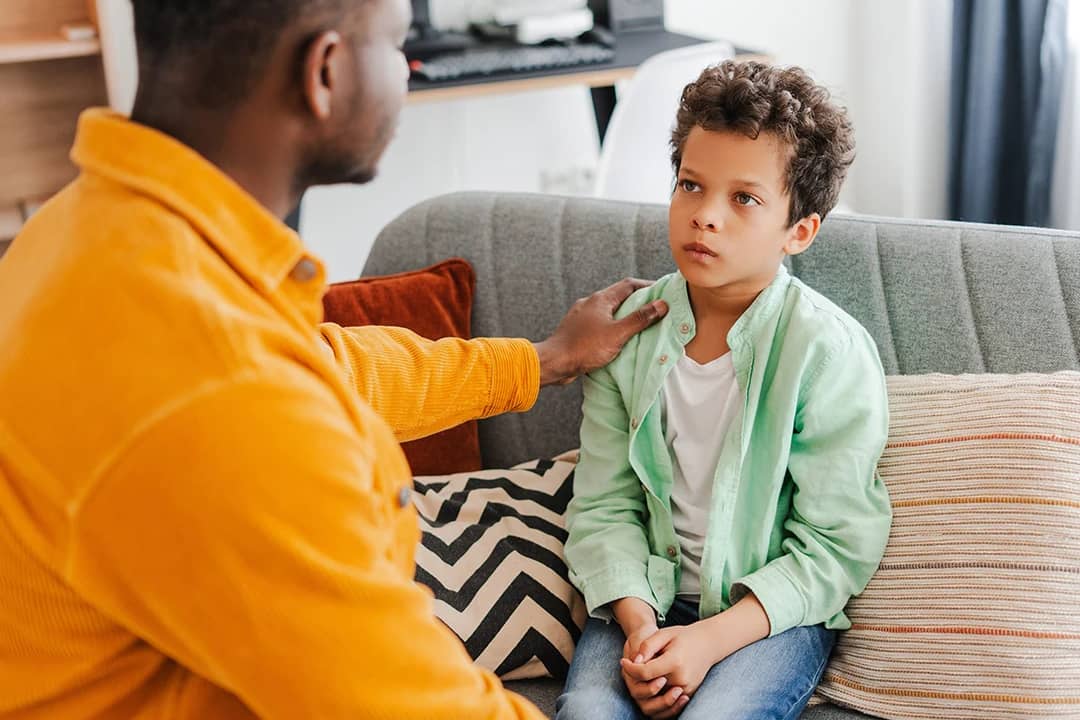
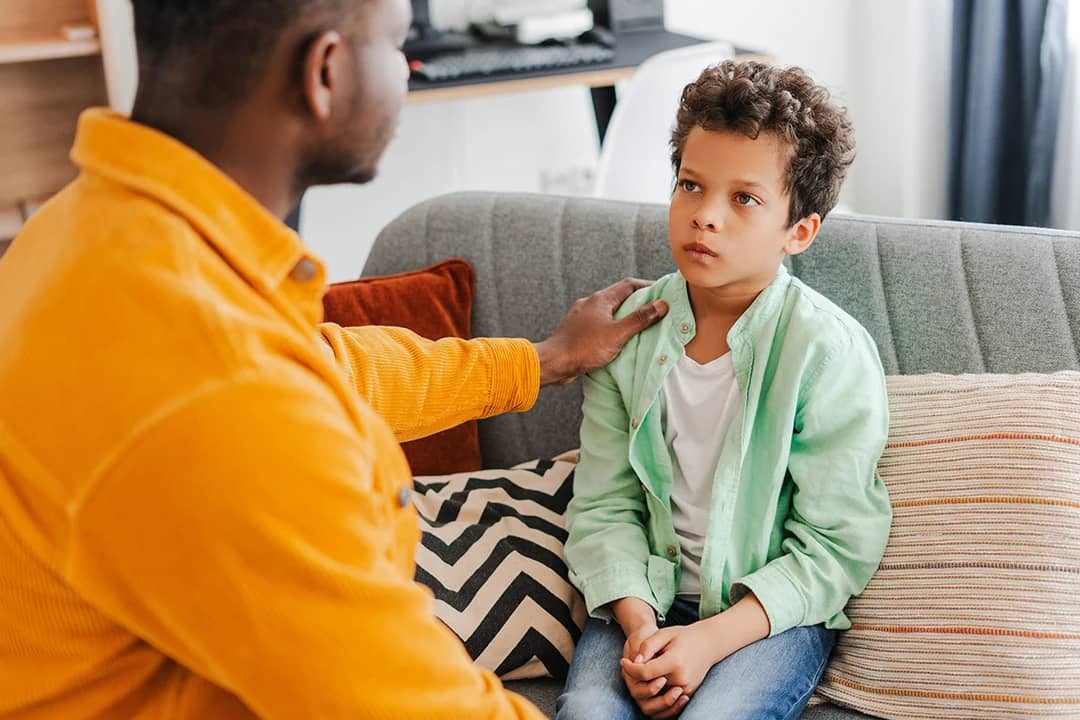
It can be stressful when kids flat-out refuse to go to school. Your child might be complaining about stomachaches every day, begging to stay home. Or they may become increasingly emotional as the school day approaches. You may find yourself wondering: Why is this happening? What if they’re never willing to go back to school? And what’s the best way to handle this?
School refusal (also called school avoidance) can be frustrating to deal with. But rest assured, you’re not alone. Refusing to go to school is common. In fact, up to 28% of students struggle with school avoidance at some point during their school years.
“School refusal can happen with any child,” said Andrew Kahn, Psy.D., Understood’s associate director of expertise and behavioral health innovation. “But for neurodivergent kids, school can feel like a minefield.” That’s because challenges with social skills, learning, attention, and executive function can all get in the way of learning and doing well in school, he says.
If your family is dealing with school refusal, Understood broke down what you need to know: what it looks like at different ages, why kids refuse to go to school, and how to help.
Why kids refuse to go to school
It can be tempting to view school refusal as defiance. But it’s important to dig a little deeper. Knowing why your child is avoiding school is often the first step toward helping them feel safe, supported, and ready to go back.
Often, kids refuse school because they feel like they can’t succeed there. School feels like a scary place where teachers and peers don’t understand or support them, Kahn says. For kids with a health condition, like stomach problems, refusing school can also be about a fear of getting sick in front of others.
Avoiding school is also more common during transition periods like Monday mornings, after summer or holiday breaks, and even during morning wake-ups, according to Kahn. “Leaving a comfortable setting can be extremely hard for an anxious child, so refusal is one of many strategies,” he explained.
School refusal is often not just about school. The causes can be personal, like a learning disability. Or it could be environmental, like conflict at home.
Here are some other reasons kids might be refusing to go to school:
- Changes at home, like a divorce, a new sibling, or a death
- Negative experiences at school, like an embarrassing incident
- Academic struggles or difficulty keeping up
- Social challenges, like trouble making friends or feeling like they aren’t fitting in
- Anxiety or fear about making mistakes or taking tests
- Trouble understanding the rules at school
- Feeling overwhelmed by executive function challenges
- Bullying or teasing
- Having physical symptoms and illnesses
- Being overscheduled or burned out
If your child is having academic or social challenges on top of refusing school, reach out to the school or your child’s pediatrician. It could mean your child has an undiagnosed learning disability or ADHD. You may want to explore getting an evaluation.
School refusal symptoms by age
School refusal happens when your child experiences fear or anxiety about going to school. They may say they feel sick,. have a tantrum, or refuse to get dressed.
“Oftentimes, a child will exhibit anger, sadness, frustration, or anxiety in anticipation of going to school,” Kahn explained. That stress doesn’t just affect the child — it can spread to the whole family.
School refusal is more common at ages 5–6 and at ages 10–11. But it can happen anytime during your child’s school years. It’s especially common if they’re having academic challenges, experiencing bullying, or struggling to make friends.
Kahn says that warning signs often show up before a child starts refusing outright. For some kids, the worry starts the night before or the morning of school. For kids with more intense fears or concerns, it can start as soon as they get home from school or even on the weekend.
Physical symptoms like headaches, stomachaches, and other complaints are common at any age, according to Kahn. A doctor’s visit often won’t find a medical cause. Still, it’s important to get your child checked out. That way, you won’t assume every request to stay home is only about emotions.
Anger and outright refusal to go to school are often signs of anxiety, but that’s easy to miss, Kahn explained. That’s because these signs can look like acting out or misbehaving. But they’re often desperate attempts to avoid or escape school.
Here are some other signs of school refusal you may notice at different ages:
Preschool and kindergarten
- Clinging
- Crying
- Tantrums
These signs are usually tied to separation anxiety. Also, kids this age often don’t realize their physical symptoms are actually caused by anxiety.
School-age through middle school
- Crying
- Running away instead of going into the building
- Trying to leave school once they’re there
- Saying things like they’re afraid, that no one likes them, or that they feel stupid
High school
- Skipping school entirely
- Leaving school grounds without permission
- Taking other, more active steps to avoid class
What to say when your child refuses to go to school
School refusal can disrupt your whole family’s daily life. It can also affect your child’s ability to thrive in school, and their overall well-being. But there are ways you can support your child.
Here are some school refusal behaviors, and what you can say to help.
Tantrums about school
If your child is having tantrums about school, acknowledge their feelings. When they’re calmer, suggest that you talk about ways to make things better. Be clear that even though you’re supportive and willing to problem-solve, they still have to go to school.
Try saying: “I know there’s something about school that worries you. When you’re able to speak calmly, then we can talk about what that is. I’d like to try to help you find a way to make it easier to go to school.”
Meltdowns about school
Be patient and make it clear that your child is safe and you’re there to help. Kids aren’t in control of meltdowns, so there’s nothing more you can do when they’re happening.
When the meltdown stops, use short and concrete sentences to manage the moment. Try saying: “That was a big reaction. Let’s figure out if you need a break before we talk about school.” Have that conversation at a quiet time when everyone is calm.
Gets stuck on “what if” scenarios
Respond with as much empathy as you can. Getting stuck on negative thoughts can be a response to feeling overwhelmed, anxious, and powerless. Try to reduce the anxiety enough to talk about what has your child stuck.
Then, talk about the difference between “what if” and “what is.” For example, a child might say, “What if the kids who are mean to me are in my class?” You can respond with, “What we do know is that your friend Jonathan is in your class. And what if it goes well?”
Refuses to get dressed
School refusal usually starts first thing in the morning. Some kids may refuse to get dressed for school.
Remind your child that going to school isn’t optional. But going in pajamas might be. If this is your child’s form of refusal, decide whether it’s more important for your child to participate in school or to get dressed. You may need to send your child to school in pajamas.
Be sure to explain to your child that classmates may wonder or ask why they’re in pajamas. Also, email or call the teacher to explain why your child isn’t dressed for school.
Avoids the bus or car
At this point, your child’s refusal might start getting in the way of your schedule and your ability to work. Try not to engage at that very moment. Try saying: “I see you’re really struggling today. Let’s plan on talking later. But I’m not going to argue with you about it now while you’re so upset.”
Later, ask your child to try to explain what the concern is. If you can’t come up with a quick fix, work on finding a longer-term strategy.
Says “You can’t make me”
If your child refuses to go to school by saying things like “You can’t make me,” acknowledge that it’s true. You can say: “You’re right. I can’t force you. I also can’t control how your teacher chooses to deal with makeup work or grades.”
Then, offer to have an honest and calm conversation about why they’re refusing to do the work or go to school. Make it clear that you want to understand what’s going on. But also remind them that going to school is required.
Skips school or classes
Skipping school is the tipping point for kids. They’re not involving the adults in their lives — their anxiety is so overwhelming that they’ve decided to just not go. Take both the behavior and your child’s fears and worries seriously.
Talk with your child’s teacher about a plan to help. Your child may be able to get accommodations for anxiety.
More school refusal tips
Here are more ways you can help your child get back to school.
- Help your child talk about their feelings about school.
- Help your child name their feelings.
- Identify triggers and come up with ways to address those.
- Acknowledge and validate their feelings and concerns.
- Create calm morning routines. Give yourself extra time in the morning for these routines so you’re not so rushed.
- Try relaxation and calming strategies to help ease fears.
- If possible, arrive at school when fewer kids are present or have a peer buddy meet them.
- Reestablish your school routine quickly after a vacation or illness.
Additional reporting by Sherri Gordon.
This story was produced by Understood and reviewed and distributed by Stacker.

